

If you’re looking for the quintessential Caribbean Island with little infrastructure, few people, and picture-perfect beaches, then this is it. This is Cayo Jutias. It’s one of the islands that form the Colorado Archipelago. Cayo Jutias is renowned for its mangrove forests, pristine white sand, and crystal-clear waters. It is the perfect escape for peace, quiet, relaxation, and a beach escape. Read on for more on the reasons to come to Cayo Jutias, how to get to Cayo Jutias, and what to do on the island.
THIS POST MAY CONTAIN COMPENSATED AND AFFILIATE LINKS. MORE INFORMATION IN OUR DISCLAIMER
There’s no accommodation on the island, so it’s perfect for a day trip from Vinales. Most people who come here spend 4 to 6 hours here. There’s swimming, kayaking, snorkeling, or even diving available on the island, and this glorious beach destination has none of the facilities that you’ll find in the resorts of Varadero or Holguin, just natural beauty. There is a small infrastructure that allows you to get lobster for lunch from a shack, rent a sunbed and umbrella, and participate in various water sports.
EASIEST WAY TO TRAVEL
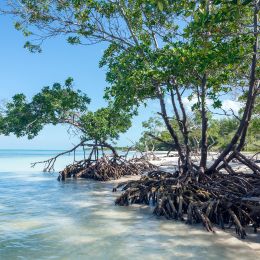
Prebook and prepay your return transfer to Cayo Jutias from Viñales and take the hassle out of getting to this amazing place.
7 Reasons to Come to Cayo Jutias
Most people just don’t come here. They go to the beach resorts of Varadero or Holguin. They head to the Northern Cayos of Cuba. But this island is just 90 minutes to 2 hours from Viñales. If you’re in Viñales and have the time, come and chill out. It’s worth it. The island is just 4 square kilometres (1.54 square miles) and it’s uninhabited. It’s connected to mainland Cuba by a causeway – a pedraplén – aka a road that is built above the level of the sea, which here is the Gulf of Mexico.
PRACTICAL TRAVEL TIPS
- 🛡️ Get Travel Insurance: Civitatis includes medical expenses, repatriation, theft, luggage delays. No deductibles or upfront payments. Get a quote here. .
- 🛂💻 Buy your Cuba eVisa here.
- 🔌 Be ready for the plug, socket & power situation.
- 📶 Internet, maps, data on the go. Buy an eSim for Cuba. Or pre-order a physical SIM card
- 🔒 Do NOT leave home without a VPN. Buy for your trip here.
1. Cayo Jutias is off the beaten track for foreign visitors
It’s off the beaten track, even though it’s just 90 minutes-ish from Viñales. That means you’ll get a whole lot of peace and quiet here. A whole lot of empty, pristine beach. There’s white sand. Crystal clear waters that are calm for most of the year. Honestly, if you want a desert-island experience, this is where to come.
Despite being off the beaten track, you can get here relatively easily; people just don’t generally. It really is best to be in Viñales and make your way here from there. The easiest way is to prebook your transfer, then it’s booked and paid for, and you don’t need to worry about the money. Do that now, with Civitatis.
2. To Enjoy the Beaches of Cayo Jutias
If you take a look at maps of Cayo Jutias, you’ll see several beaches. And depending on the time of year that you visit, one might be better than the other. Your driver will know best. And face it, this is why you’re coming. To get off the beaten track and hit the beach.

Most of the beaches here are backed by mangrove forests, and you’ll likely walk through the mangroves to get to the beach, aside from the beach by the lighthouse and by the restaurant. You’ll find facilities, like sunbeds, umbrellas, and water equipment rental gear near the restaurant.
I’d recommend bringing and using lots of sunscreen. If you have a way of rigging your towel up to the sun-bleached branches of the dead mangroves, then use it. The sun is brutally strong here, and there is very little natural shade.
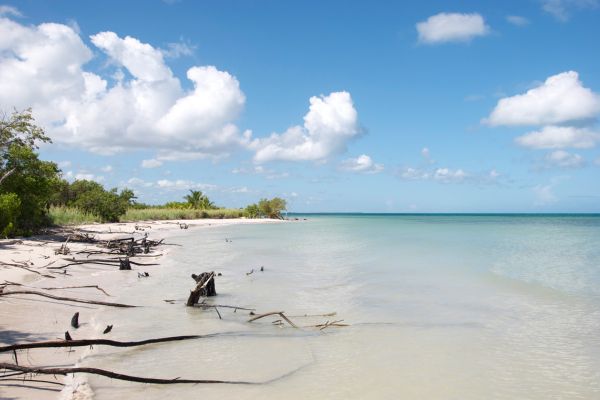
3. To Find the Cayo Jutias Starfish
Cayo Jutias is home to several marine species. One of those is the starfish that you’ll find at the beach at the furthest point from the island’s causeway. Technically, this is a conservation area so that you don’t disturb these orange/red starfish – there are hundreds of them. The easiest way to see them is to take a boat ride, which will cost around US$15 per person. Otherwise, you’ll be walking through the Mangrove Forest sharing your life’s blood with the mosquitoes.
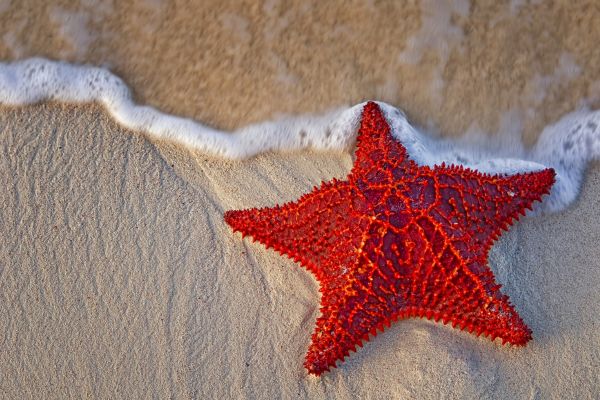
4. To Explore the Cayo Jutias Lighthouse (Faro Cayo Jutias)
This lighthouse is no longer in use, but dates from May 1902. It was built by the Americans after the Spanish-American War. The lighthouse keeper and his family once lived here, but their rooms are now ruins at the base of the tower, which stretches to 43 meters (141 feet). The stairs remain, but they and the tower are rusty; however, if you do head up there, then there are fabulous views of Cayo Jutias and the neighbouring Cayo El Mégano.
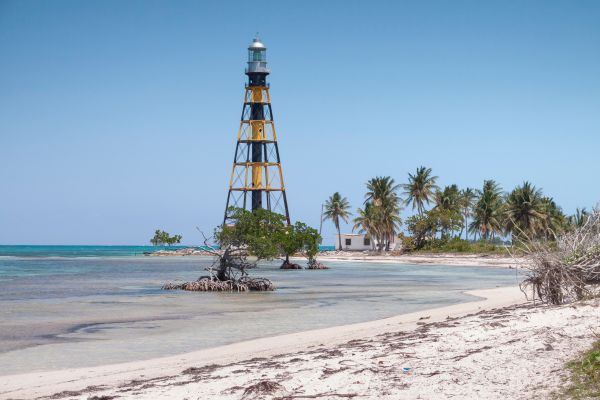
5. To explore the Mangroves of Cayo Jutias
The only place you’ll get natural shade from the sun here on Cayo Jutias is in the mangroves, which cover 80% of the surface of the island. Across the islands of Cuba as a whole, mangroves make up 4.8% of the territory. Keep your eyes peeled, though, Cuban mangroves are home to many fish, sponges, and migratory and endemic species of birds. You might also spot iguanas and be aware that they’re also the home of choice of the endemic Cuban crocodile!

6. To Eat at Restaurant de Cayo Jutias
There is one place to eat here on Cayo Jutias, and that’s the restaurant that you’ll find at the end of the road. It’s likely to be where your transport drops you. Lobster is likely to be on the menu. As is rice and beans. Enjoy. The restaurant closes at around 17:30, but you’re likely to be on your way back to Viñales by this point. Drivers here (and across Cuba) do NOT want to be driving after dark.
7. To Go Snorkeling (or Diving) at Cayo Jutias
You’ll be able to rent snorkeling gear from the main beach here on the island, it’s by the restaurant, but I do recommend that you bring your own. There are several places to snorkel here. The first is off the Starfish Beach (and that is magical). Looking for snorkeling inspiration? My guide to the best places to snorkel in Cuba is here.
The best place aside from Starfish Beach for snorkeling is the reef about 100 meters (300 feet) from the beach. You can take a boat-based snorkeling trip for about US$15, or the dive shop at the restaurant can also take you diving for US$40 per person. One of the other great places to dive in Cuba is the Bay of Pigs.

Why go to Cayo Jutias?
This beach is one of the most picturesque beaches in the Pinar del Rio Province and Cuba. It has snowy white sand, palm trees, and utter bliss. It is famous for its clear waters and untouched sand. There are mangrove forests here and seemingly endless empty beaches.
How to Get to Cayo Jutias
Cayo Jutias is connected to mainland Cuba by a 9-kilometer-long causeway. The road is pretty rough, but it’s worth it. You can technically come here from Havana, it’s about 4.5 hours by car, but most people will travel here from Viñales.
Driving from Vinales to Cayo Jutias
It takes about 90 minutes to 2 hours to drive from Vinales to Cayo Jutias, read my guide to renting a car in Cuba here, if you’re planning on driving yourself. You can park near the beach, and its best to pay the guy there to keep an eye on your car (expect to pay about 1000 CUP). Your car is likely to be safe, but it pats to be cautious. If you’re driving back to Vinales the same day leave NO LATER than 16:00. You do NOT want to drive the road in the dark.
Taking a taxi from Vinales to Cayo Jutias
You can negotiate with a driver who you can find either outside the Viazul Bus station in Viñales or via your casa particular owner.
Prebook and prepay for a transfer from Vinales to Cayo Jutias
The easiest way to get to Cayo Jutias is to arrange a transfer.
It’s one of the most popular day trips from Viñales, as it takes about 90 minutes to 2 hours to get here from Viñales. The road is, though, you should be warned, rough.
Buses to Cayo Jutias
There are no buses (Viazul or Transtur, or otherwise) that go to Cayo Jutias, so you’ll need to arrange private transport to get here. The easiest way to get to Cayo Jutias is to arrange (and pay for) transport in advance. I recommend using Civitatis for this.

Where is Cayo Jutias?
Cayo Jutias is a small island located 65 kilometers (40 miles) northwest of Cayo Jutías is located 65 km northwest of Viñales, in Pinar del Río, Cuba. And when I say small, I mean about 4 kilometers (just less than 2 miles) long. The closest place to Cayo Jutias that you’ll recognise as a visitor to Cuba is the UNESCO World Heritage valley of Viñales.
How Long to Spend on Cayo Jutias
There is no accommodation on Cayo Jutias, and you’ll likely want to spend 4-6 hours here relaxing in paradise before heading back to your accommodation in Viñales.
What to Bring to Cayo Jutias
If you’ve pre-booked your transport and prepaid it, then you’ll only need to bring cash (USD, Euros or CUC) to pay for any food and drink that you want, a boat trip to see the starfish at Playa Estrellas and any rentals that you might want (sunbeds, umbrellas, snorkeling gear).
However, I do recommend that you bring the following to Cayo Jutias
- Good sunscreen (I recommend this reef-safe option)
- A decent hat (I love and use this Sunday Afternoon one)
- Good sunglasses – I’ve used Maui Jim’s for years.
- A cover-up from the sun
- A quick dry towel
- A reusable water bottle (full!) with spare water
- Water shoes or hiking sandals – trails on the island need them
- Mosquito repellent
- Snorkeling Gear
- A rash guard (the sun is brutal and no more so than when you’re face down in the water!)
Is it worth visiting Cayo Jutias?
Yes. If you can slot this location in your itinerary, then come. I’ve even designed a specific itinerary that includes Cayo Jutias. My itineraries are designed to use the Viazul Bus network wherever possible (and aside from the transfer to Cayo Jutias, this one does). You can buy my itineraries (there are 5 of them) in my Cuba by Bus ebook here.
There’s not much here, but just enough. You’ll find sunbeds, umbrellas, and some water sports rental equipment, even perhaps snorkeling gear (but read my guide on what to pack for Cuba, as I do recommend that you bring your own).
If you’re looking for an island experience where you need to take a boat, and where there’s great diving, then why not head to Cayo Levisa? My guide is here.
What does Cayo Jutias mean?
Cayo – or key in English is the name for a low-lying sandy island that’s formed on top of coral soil. You find lots of them in the Caribbean. Jutias comes from a large rodent called the Jutia (Hutia in English). These rodents are “cavy-like, which means they come from the same family as the capybara or the guinea pig. They’re mostly extinct now, and were prevalent across the Caribbean, but those that remain are mostly in Cuba. You may see hutia at the Alejandro de Humboldt National Park in the east of Cuba, near Baracoa. My guide to the park is here.
CUBA TRAVEL RESOURCES
CUBA BY BUS EBOOK
Buy our Ebook. Preplanned itineraries, themed routes, exact instructions for an easy visit.
Buy Cuba by Bus
BEST
CASA PARTICULARS
See choices here
Luxury rooms? Budget rooms? Laundry? Best room choice & Great hosts.
TOURS & ATTRACTIONS
Top daytrips, small group tours, tickets, pay online easily with free cancellation and top local guides.
Top options here.
TRANSFERS & TAXIS
Read my Guide
Go from A to B easily. Sightsee along the way. Maximise your time in Cuba.
Final Words on Reasons to Visit Cayo Jutias.
This is a glorious place to come. Head out on a boat, see starfish in the water. Snorkel or dive. Drink rum on a stunning deserted beach. Explore the reef. What’s not to love? You will enjoy getting off the beaten track and spending the best part of a day in paradise.
Cuba’s Best is a participant in the Amazon Services LLC Associates Program, an affiliate advertising program designed to provide a means for sites to earn advertising fees by advertising and linking to amazon.com, amazon.co.uk, amazon.ca. Amazon and the Amazon logo are trademarks of Amazon.com, Inc. or its affiliates.
